Why 2.0 ATA
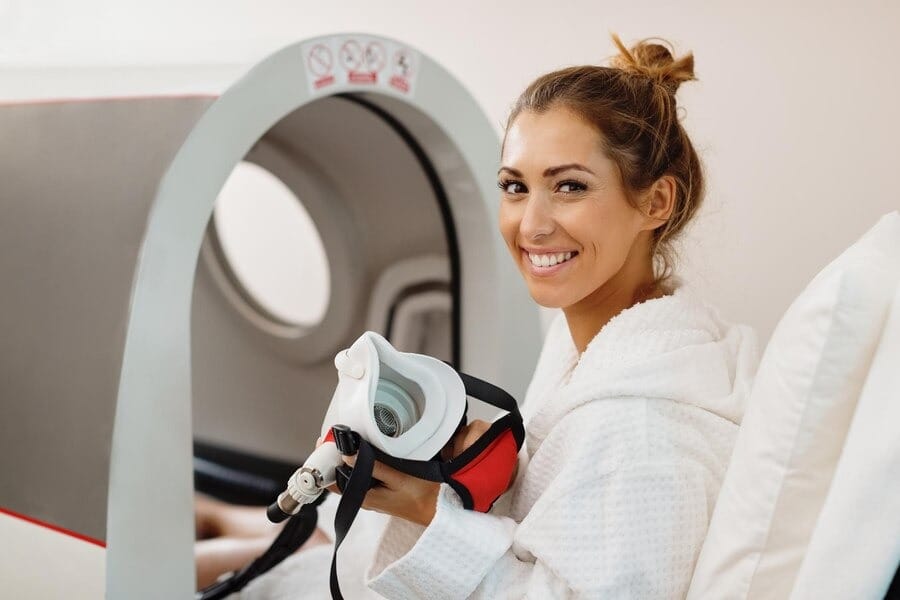
Hyperbaric Oxygen Therapy (HBOT)
Hyperbaric oxygen therapy involves breathing pure oxygen inside a specialized chamber at higher than normal air pressure. In an HBOT chamber, air pressure is increased up to three times higher than normal, allowing a person to absorb more oxygen. This saturates the blood and body tissues with significantly greater amount of oxygen than possible if breathing ambient air. HBOT is an established medical treatment that can promote faster recovery and healing, fight infections, minimize tissue damage, enhance blood flow, and provide other therapeutic benefits - especially important for conditions where oxygen delivery is reduced. HBOT applications range from wound care, disease symptom alleviation, brain injury, radiation burns, athletic performance enhancement, to possible increased longevity. Our business provides accessible chambers and supporting services to deliver these treatments.
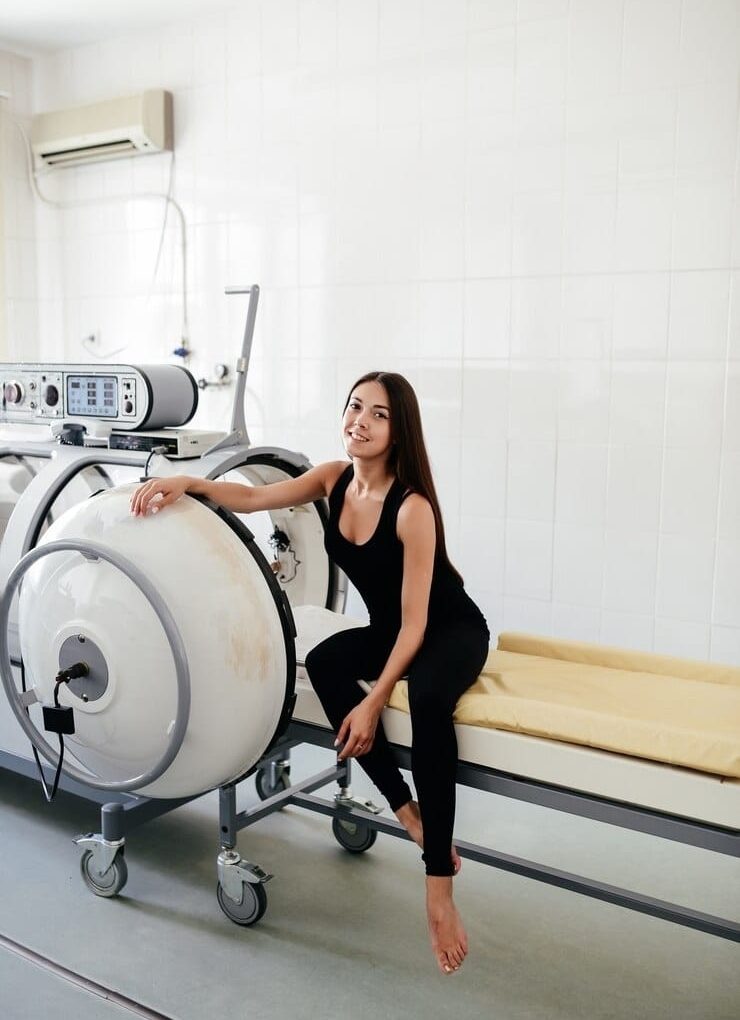
2.0 ATA HBOT Superior to Lower Pressures
2.0 ATA HBOT is considered superior to lower pressure HBOT treatment at 1.3 ATA & 1.5 ATA:
- Higher oxygen plasma saturation levels — At 2.0 ATA, plasma oxygen saturation can reach almost 200% compared to normal. At 1.3 ATA and 1.5 ATA, oxygen plasma saturation is not nearly as high. The higher oxygen environment at 2.0 ATA allows more oxygen to get dissolved in the fluids of tissues and cells.
- Greater stimulation of new blood vessel growth — The high levels of dissolved oxygen at 2.0 ATA have been shown to provide a strong angiogenic signal, stimulating the growth of new blood vessels. This can improve blood circulation and oxygen delivery to damaged or healing tissue.
- Increased efficacy for treating certain conditions — For conditions such as non-healing wounds, radiation injury/necrosis, and reperfusion injuries, 2.0 ATA HBOT has been found in studies to provide superior therapeutic benefits compared to lower pressure protocols.
- Potential issues with lower pressure HBOT — Some research indicates that lower pressure HBOT in the 1.3-1.5 ATA range may provide insufficient oxygenation while also creating oxygen toxicity issues from long duration exposures. 2.0 ATA does not have these problems.
2.0 ATA as Universal Standard
2.0 ATA is considered the most universal pressure used for HBOT treatment.
- Safety and tolerability — 2.0 ATA provides significantly higher oxygen saturation than normal air pressure (1 ATA), but avoids risks like oxygen toxicity that can occur at higher pressures. Most patients tolerate 2.0 ATA very well.
- Technical standardization — Most medical hyperbaric chambers and protocols are designed to operate at 2.0 ATA. This allows consistent device performance and uniform treatment procedures.
- Covers breadth of indications — While some severe or acute conditions utilize higher pressures, the majority of approved medical diagnoses (e.g. diabetic ulcers, CO poisoning, crush injuries, etc.) are effectively treated at 2.0 ATA making it versatile.
- Accepted off-label standard — Much of the investigation into new and emerging uses of HBOT centers around application of 2.0 ATA for study consistency, baseline positive response, and later pressure adjustment as needed.
While lower pressure under 2.0 ATA offers some value, extensive research designates 2.0 atmospheres absolute as the optimal balance of safety and proven effectiveness for licensed medical HBOT applications and support of developing uses; meeting efficacy thresholds without increasing risk profiles. This pressure satisfies the clinical "gold standard" worldwide based on maximizing diffusion while limiting oxygen toxicity - able to appropriately treat most serious conditions through standardization. Yet the lack of existing in-home hyperbaric solutions to date that can safely, effectively, and reliably provide high concentrated oxygen delivery at 2.0 ATA pressure has severely restricted access to realize associated health benefits for rehabilitation, recovery, pain relief, and wellness maintenance without clinical visits.
In summary, evidence confirms 2.0 ATA HBOT as the most versatile and results-backed level balancing potency and safety for clinical care. However, obtaining 2.0 ATA with in-home access has posed past technological gaps and adoption barriers our definitive solution now makes possible.
Supporting Studies
Below are just few studies supporting 2.0 ATA as the most universal and effective pressure for hyperbaric oxygen therapy (HBOT):
- Thom SR. "Hyperbaric oxygen: its mechanisms and efficacy". Plastic and Reconstructive Surgery. 2011 Jan;127 Suppl 1:131s-141s. - Analysis of mechanisms of HBOT concludes 2.0 ATA has ideal balance of maximizing desirable oxygenation effects while avoiding toxicity. Also notes most common protocols use 2.0 ATA.
- Wang F, Wang Y, Sun T, Yu HL. "Hyperbaric oxygen therapy for the treatment of diabetic foot ulcers: a meta-analysis." PLoS One. 2017 Jul 13;12(7):e0184461. - Meta analysis of diabetic foot ulcer treatment finds greatest therapeutic effect at 2.0 to 2.5 ATA demonstrating healing efficacy for this common indication.
- Brenner I, Shephard RJ, Shek PN. "Immune dysfunction in hyperbaric environments: a scoping review." Undersea Hyperb Med. 2018 Nov-Dec;45(6):683-699. - Examines empirical human evidence for immune function at depths. Notes impaired immune cell activity, inflammatory regulation, and increased infection risk start manifesting beyond 2.0 ATA due to oxygen toxicity.
The safety profile, treatment standardization, approved & off-label indications, and clinical evidence converge to support 2.0 ATA as the versatile, effective "sweet spot" for HBOT across diverse applications.
Top 25 Physical and Medical Benefits of HBOT at 2.0 ATA or Lower
- Promotes healing of wounds and injuries
- Improves circulation and oxygen delivery
- Reduces swelling and inflammation
- Helps fight certain infections and bacteria
- Enhances stem cell mobilization (up to 800%)
- Restores oxygen flow after poor circulation
- Protects tissue from effects of radiation
- Relieves carbon monoxide poisoning
- Compensates for severe anemia
- Regenerates nerve tissues
- Preserves organ function
- Lessens risk of graft failure
- Treats difficult bone infections
- Reduces gas bubble-related injuries
- Manages jaw deterioration from radiation
- Minimizes burns tissue damage
- Improves success of limb reattachment
- Decreases inflammation in brain injuries
- Helps lower high blood pressure
- Reduces risk factors for heart disease
- Assists managing fibromyalgia
- Improves symptoms of chronic fatigue
- Enhances exercise endurance
- Speeds up recovery after workouts
- Offers mild anti-aging effects
Most medical HBOT benefits derive from low-to-moderate pressure protocols under 2.5 ATA like indicated above. By expanding convenient access, common wellness & healing uses of oxygen therapy become available to vastly more individuals.
Recommended ATA for FDA Approved Conditions
Recommended ATA for the major FDA approved conditions treated with HBOT showing 2.0 ATA as both useful and prominent:
| FDA Approved Condition | Recommended ATA |
|---|---|
| Decompression Sickness | 2.4-3.0 ATA |
| Air or Gas Embolism | 2.0-3.0 ATA |
| Carbon Monoxide Poisoning | 2.0-3.0 ATA |
| Acute Traumatic Ischemias | 2.0-2.5 ATA |
| Crush Injury / Compartment Syndrome | 2.0-2.5 ATA |
| Diabetic Ulcers | 2.0-2.5 ATA |
| Delayed Radiation Injury | 2.0-3.0 ATA |
| Acute Thermal Burn Injury | 2.0-3.0 ATA |
| Cerebral Air Embolism | 2.5-3.0 ATA |
| Severe Anemia | 2.0-3.0 ATA |
| Clostridial Myositis | 2.5-3.0 ATA |
| Intracranial Abscess | 2.0-3.0 ATA |
Notes: Pressure range covers guidelines for early/severe presentations. Most protocols utilize 2.0-2.5 ATA, up to 3.0 ATA for critical cases. Decompression sickness requires highest pressure.
Standard HBOT care is delivered in intermittent exposures at 2-3 times normal atmospheric pressure. As shown above, most acute conditions are ideally treated in the 2.0-2.5 range. More critical injuries or complications may use sessions up to 3.0 ATA maximum for highest pressure delivery.
Top 20 Off-Label Conditions Treated with HBOT
| Off-Label Condition | Recommended ATA |
|---|---|
| Traumatic Brain Injury | 2.0 ATA |
| Autism Spectrum Disorder | 1.3-1.5 ATA |
| Alzheimer's Disease | 2.0 ATA |
| Chronic Fatigue Syndrome | 2.0 ATA |
| Anti-Aging & Performance | 2.0 ATA |
| Stroke Rehabilitation | 2.0 ATA |
| Parkinson's Disease | 2.0 ATA |
| Fibromyalgia | 2.0 ATA |
| Rheumatoid Arthritis | 2.0 ATA |
| Multiple Sclerosis | 2.0 ATA |
| Stem Cell Enhancement | 2.0 ATA |
| PTSD & Mood Disorders | 2.0 ATA |
| Cancers & Chemotherapy | 2.0 ATA |
| Toxic Injury Recovery | 0.5-1.5 ATA |
| Refractory Osteomyelitis | 2.0 ATA |
| Radiation Cystitis | 2.0 ATA |
| Cerebral Palsy | 1.5 ATA |
| Hearing Loss & Tinnitus | 2.0 ATA |
| Infertility & Impotence | 2.0 ATA |
| Abdominal Infections | 2.0 ATA |
Hyperbaric chambers unable to reach the minimum treatment pressure of 2.0 ATA (atmospheres absolute) have limited therapeutic value, as many approved medical conditions and emerging applications require 2.0 ATA or higher oxygen partial pressures for clinically significant patient benefit.
The Key Points
- 2.0 ATA is the minimum standard pressure capability needed
- Reaching 2.0 ATA enables treatment of a wide range of diagnoses
- Many specific HBO therapy protocols depend on ≥ 2.0 ATA
- Chambers only able to go up to 1.3-1.5 ATA for example exclude many medical uses and associated health benefits
Decades of research confirms 2.0 ATA as the versatile gold standard for safe, effective HBOT across both approved medical uses and emerging health applications - optimizing oxygen diffusion while limiting toxicity. This therapeutic sweet spot can appropriately treat most serious conditions through pressure standardization.
Yet restrictive, expensive clinic-dependent delivery has severely limited access. Our proprietary chambers finally overcome the technological barriers to safe, consistent in-home treatments. With convenient access unlocking HBOT for recovery, longevity and optimization purposes, we can empower dramatic improvement in outcomes for millions.